Fiestas in Gran Canaria by town: 2026–2027 calendar
Gran Canaria has fiestas all year round and in every corner: carnivals that last a month, pilgrimages (romerías) with decorated carts and traditional dress, processions at sea, fiestas of aboriginal origin such as La Rama in Agaete or El Charco in La Aldea, and open-air dances (verbenas) in every village. Here they are by municipality, with the dates from the Canarias Hoy calendar.
In short: the big events of the year are the Las Palmas de Gran Canaria Carnival (January and February), the Almond Blossom festival in Tejeda (February), the Virgen del Carmen fiestas in July, La Rama in Agaete (4 August), El Pino in Teror (8 September) and El Charco in La Aldea (11 September).
The most famous fiestas in Gran Canaria
| When | Fiesta | Municipality |
|---|---|---|
| 20 January | Saint Sebastian, with a livestock fair | Agüimes |
| January and February | Las Palmas de Gran Canaria Carnival | Las Palmas de Gran Canaria |
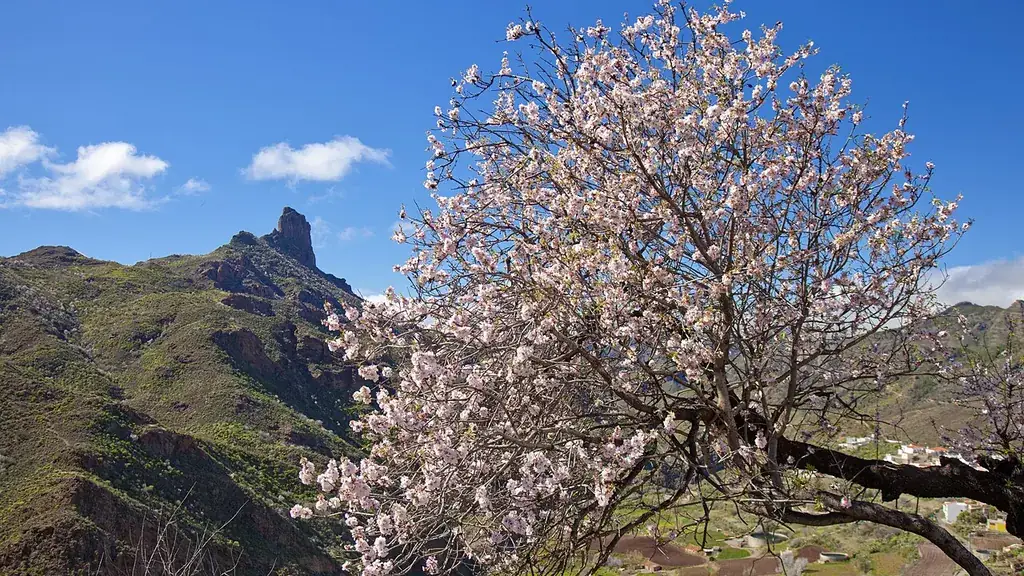
| Late January and February | Almond Blossom festival | Tejeda |
| March | Maspalomas International Carnival | San Bartolomé de Tirajana |
| 24 June | Founding of the city and Saint John’s Eve | Las Palmas de Gran Canaria |
| July | Virgen del Carmen procession at sea | Mogán |
| July | Saint James main fiestas | Gáldar |
| 4 August | La Rama (the Branch festival) | Agaete |
| August | San Lorenzo romería | Las Palmas de Gran Canaria |
| Late August | Vará del Pescao | Agüimes (Arinaga) |
| 8 September | Our Lady of El Pino | Teror |
| 11 September | El Charco (the Pond festival) | La Aldea de San Nicolás |
| October | Apple festival | Valleseco |
| December | Santa Lucía and Los Labradores | Santa Lucía de Tirajana |
Fiestas by municipality
The island’s 21 municipalities, from north to south. Under each one, the upcoming fiestas in our calendar (automatic list).
Las Palmas de Gran Canaria
The capital hosts the Carnival, the founding-day fiestas and Saint John’s Eve on 24 June, the Virgen del Carmen in La Isleta, the San Lorenzo romería in August and most of the big concerts.
- 🎄 Mercado de Navidad de Mesa y López 2026Las Palmas de Gran Canaria · 26 Nov 2026 – 5 Jan 2027
- 💡 Encendido de luces de Navidad 2026 - Las Palmas de Gran CanariaLas Palmas de Gran Canaria · 26 Nov 2026
- 🎄 Mercado de Navidad — Parque Santa CatalinaLas Palmas de Gran Canaria · 4 Dec 2026 – 5 Jan 2027
- 🎄 Mercado de Navidad — Parque San TelmoLas Palmas de Gran Canaria · 4 – 8 Dec 2026
- 🎤 Raphael en concierto - Gran Canaria ArenaLas Palmas de Gran Canaria · 7 Dec 2026
- 🎤 Marta Sánchez en concierto - Festival Mar AbiertoLas Palmas de Gran Canaria · 7 Dec 2026
- 🎤 Julio Iglesias Experience - Gran CanariaLas Palmas de Gran Canaria · 8 – 9 Dec 2026
- 🎺 Gran Canaria Big Band y Matt Forbes - Concierto de NavidadLas Palmas de Gran Canaria · 18 – 19 Dec 2026
Arucas
Saint John the Baptist, the town’s patron, is celebrated at the end of June with dances and events in the centre, in the shadow of its neo-Gothic church.
- 👑 Cabalgata de Reyes 2027 - ArucasArucas · 5 Jan 2027
- 🎸 World Rock Music Festival 2027Polideportivo de Arucas · 23 Jan 2027
- 🔥 Fiestas de San Juan Bautista - ArucasArucas · 23 – 24 Jun 2027
- 🧺 Mercadillo de ArucasArucas · Every Saturday
Firgas
San Roque, in August, with a romería and offerings through the streets.
- 🐂 Romería de San Roque - FirgasFirgas · 14 Aug 2027
- ⛪ Fiestas de San Roque - FirgasFirgas · 14 – 18 Aug 2027
Moya
Saint Anthony of Padua, in June, with fiestas and a romería; Fontanales hosts the KM.0 local produce fair.
- 💡 Encendido de luces de Navidad 2026 - MoyaCasco de Moya · 5 Dec 2026
- ⛪ Fiestas de San Antonio de Padua - MoyaMoya · 13 – 16 Jun 2027
- 🐂 Romería de San Antonio de Padua - MoyaMoya · 13 Jun 2027
- 🥕 Feria KM.0 Gran CanariaMoya · 14 – 15 Aug 2027
Santa María de Guía
Las Marías, on the third weekend of September, with the Bajada de la Rama and a romería-offering.
- 🌾 Fiestas de Las Marías - Santa María de GuíaSanta María de Guía · 17 – 19 Sept 2027
Gáldar
The Saint James main fiestas take up much of July, with the main day on the 25th; in May, the San Isidro romería.
- 💡 Encendido de luces de Navidad 2026 - GáldarCasco de Gáldar · 27 Nov 2026
- 👑 Cabalgata de Reyes 2027 - GáldarGáldar · 5 Jan 2027
- 🪗 Romería de San Isidro Labrador - GáldarGáldar · 14 May 2027
- 💃 Fiestas Mayores de Santiago - GáldarGáldar · 23 – 27 Jul 2027
Agaete
La Bajada de la Rama, on 4 August, is one of the best-known fiestas in the Canary Islands; there is also the San Juan romería and San Pedro in Puerto de Las Nieves.
- 🎆 Fiestas de la Inmaculada Concepción - AgaeteAgaete · 8 Dec 2026
- 🪗 Romería de San Juan - AgaeteAgaete · 23 Jun 2027
- ⛪ Fiestas de San Pedro Apóstol - AgaeteAgaete · 29 Jun 2027
- ⛪ Fiestas de San Pedro Apóstol - AgaeteAgaete · 29 Jun 2027
- 🌿 Fiesta de la Rama - AgaeteAgaete · 4 Aug 2027
La Aldea de San Nicolás
El Charco, on 11 September, when hundreds of people jump into a pond to catch fish with their hands, and the San Nicolás de Tolentino romería.
- 🏃 San Silvestre de La AldeaLa Aldea de San Nicolás · 31 Dec 2026
- 🐂 Romería de San Nicolás de Tolentino - La AldeaLa Aldea de San Nicolás · 9 Sept 2027
- 🐟 Fiesta del Charco - La Aldea de San NicolásLa Aldea de San Nicolás · 11 Sept 2027
Artenara
The highest village on the island celebrates the Virgen de la Cuevita in its cave chapel at the end of August, and San Matías in February with the Burial of the Lizard.
- 🦎 Fiestas de San Matías y Entierro del Lagarto 2027 - ArtenaraArtenara · 17 – 21 Feb 2027
- 🌾 Romería de San Isidro - ArtenaraArtenara · 16 May 2027
- 🙏 Fiestas de la Virgen de la Cuevita - ArtenaraArtenara · 29 – 31 Aug 2027
- ✝️ Fiestas del Cristo de Acusa - ArtenaraArtenara · 12 – 15 Sept 2027
Tejeda
The Almond Blossom festival, in January and February, and the patron saint fiestas in August, at the foot of Roque Nublo.
- 💡 Encendido de luces de Navidad 2026 - TejedaTejeda · 28 Nov 2026
- 🌸 Fiesta del Almendro en Flor 2027 - TejedaCasco de Tejeda · 30 Jan – 7 Feb 2027
- 💃 Fiestas de Tejeda - Gran CanariaTejeda · 28 – 30 Aug 2027
Teror
El Pino, on 8 September, is the most important religious fiesta in Gran Canaria; the day before there is the romería-offering and the Folk Festival.
- 🪕 Festival Folclórico de Gran Canaria — Fiestas del PinoTeror · 5 Sept 2027
- 🙏 Fiesta de Nuestra Señora del Pino - TerorTeror · 8 Sept 2027
- 🪕 Romería del Timple — TerorTeror · 11 Sept 2027
- 🧺 Mercadillo de TerorTeror · Every Sunday
Valleseco
The Apple festival, in October, declared of Regional Tourist Interest, and the patron saint fiestas in September.
- 🎆 Fiestas de Valleseco - Gran CanariaValleseco · 25 – 28 Sept 2027
- 🍎 Fiesta de la Manzana de VallesecoValleseco · 3 Oct 2027
Vega de San Mateo
The San Mateo romería, around 21 September, and the Christmas market with the lights switch-on at the end of November.
- 🎄 Encendido de luces de Navidad 2026 - Vega de San MateoVega de San Mateo · 27 – 29 Nov 2026
- 🪗 Romería de San Mateo - Vega de San MateoVega de San Mateo · 19 Sept 2027
- 🥬 Mercado del Agricultor de Vega de San MateoVega de San Mateo · Every Saturday and Sunday
Santa Brígida
The Santa Brígida romería and the Saint Anthony of Padua fiestas, in the hills near the capital.
- 🎶 Bridget Bazile New Orleans Gospel Stars - Santa BrígidaCentro Cultural de Santa Brígida · 5 Dec 2026
- ⛪ Fiestas de San Antonio de Padua - Santa BrígidaSanta Brígida · 13 – 16 Jun 2027
- 🌾 Romería de San Antonio de Padua - Gran CanariaSanta Brígida · 13 Jun 2027
- 🌾 Romería de Santa BrígidaSanta Brígida · 31 Jul – 1 Aug 2027
- 🏃 Carrera Los Alfares — La Atalaya de Santa BrígidaSanta Brígida · 4 Sept 2027
Valsequillo
The Almond Blossom Route, at the end of January, when the almond trees on its hillsides are in flower.
- 🌸 Ruta del Almendrero en Flor 2027 - ValsequilloValsequillo de Gran Canaria · 29 – 31 Jan 2027
Telde
The island’s second city celebrates San Gregorio in November and San Juan in June, and opens the new wine on Saint Andrew’s Day.
- 💡 Encendido de luces de Navidad 2026 - TeldeTelde · 27 Nov 2026
- 🍷 Fiestas del San Andrés - TeldeTelde · 29 Nov 2026
- 👑 Cabalgata de Reyes 2027 - TeldeTelde · 5 Jan 2027
Ingenio
La Candelaria in February, San Pedro in June and the Virgen del Buen Suceso romería in El Carrizal.
- 🎸 Trío de Leyendas - IngenioIngenio · 20 Feb 2027
- ⛪ Fiestas de San Pedro Apóstol - IngenioIngenio · 29 Jun 2027
- 🌾 Romería de la Virgen del Buen Suceso - IngenioIngenio · 13 Aug 2027
Agüimes
Saint Sebastian, on 20 January, with a livestock fair, and the Vará del Pescao, a fishermen’s procession by Arinaga beach at the end of August.
- 🎶 Golden Island Festival 2026Recinto Ferial de Agüimes · 27 Nov 2026
- 🐄 Fiestas de San Sebastián 2027 - AgüimesCasco histórico de Agüimes · 20 Jan 2027
- 🐟 Vará del Pescao - AgüimesAgüimes · 28 Aug 2027
Santa Lucía de Tirajana
Santa Lucía and Los Labradores in December, with a romería, a livestock fair and the burning of the “Haragán”, and San Rafael in Vecindario in October.
- ⛪ Fiestas de Santa Lucía y Los Labradores - Santa Lucía de TirajanaSanta Lucía de Tirajana · 5 – 20 Dec 2026
- 👑 Cabalgata de Reyes 2027 - VecindarioVecindario (Santa Lucía de Tirajana) · 5 Jan 2027
- 🌬️ Gran Canaria PWA Windsurf World Cup - Pozo IzquierdoSanta Lucía de Tirajana · 28 Jun – 6 Jul 2027
- ⛪ Fiestas de San Rafael - VecindarioSanta Lucía de Tirajana · 22 – 25 Oct 2027
San Bartolomé de Tirajana
The Maspalomas International Carnival, Maspalomas Pride and, in the old town of Tunte, the Saint James fiestas in July.
- 💡 Encendido de luces de Navidad 2026 - MaspalomasSan Bartolomé de Tirajana · 27 Nov 2026
- 🎄 Beefeater Xmas Market 2026 - Faro de MaspalomasSan Bartolomé de Tirajana · 4 – 8 Dec 2026
- 🎤 Jay Wheeler en concierto - Gran CanariaMaspalomas · 5 Dec 2026
- 🎤 Nyno Vargas y Original Elías en MaspalomasMaspalomas · 13 Dec 2026
- 👑 Noche de Reyes en MaspalomasMaspalomas · 5 Jan 2027
- 🚴 Epic Gran Canaria 2027San Bartolomé de Tirajana · 12 – 14 Feb 2027
Mogán
The Virgen del Carmen procession at sea in July, from Arguineguín to Puerto de Mogán, and the San Antonio el Chico romería in June.
- 🐂 Romería de San Antonio el Chico - MogánMogán · 5 Jun 2027
- ⚓ Romería de Nuestra Señora de la Virgen del Carmen - ArguineguínMogán · 10 Jul 2027
- ⚓ Fiestas de la Virgen del Carmen - Puerto de MogánMogán · 16 Jul 2027
- ⚓ Procesión Marítima Virgen del Carmen - MogánMogán · 19 Jul 2027
Full Gran Canaria calendar
All the fiestas and events on the island in our calendar, month by month (automatic list):
November 2026
- 6 – 17 Nov Fiestas de San Gregorio - Telde Telde
- 12 – 15 Nov ExpoDeca 2026 — Feria de la Actividad Física y el Deporte de Canarias Las Palmas de Gran Canaria
- 13 Nov I Love Reggaeton Gran Canaria 2026 Las Palmas de Gran Canaria
- 14 Nov Clearwater Creedence Revival en Telde Telde
- 14 Nov Encendido de luces de Navidad 2026 - Agüimes Agüimes
- 20 Nov Encendido de Navidad del Centro Comercial Las Arenas 2026 Las Palmas de Gran Canaria
- 21 Nov Céro en concierto - Gran Canaria Las Palmas de Gran Canaria
- 21 Nov Sole Giménez en concierto - Festival Mar Abierto Las Palmas de Gran Canaria
- 21 Nov Encendido de luces de Navidad 2026 - Ingenio Ingenio
- 26 Nov 2026 – 5 Jan 2027 Mercado de Navidad de Mesa y López 2026 Las Palmas de Gran Canaria coming up
- 26 Nov Encendido de luces de Navidad 2026 - Las Palmas de Gran Canaria Las Palmas de Gran Canaria coming up
- 27 Nov Golden Island Festival 2026 Recinto Ferial de Agüimes coming up
- 27 Nov Encendido de luces de Navidad 2026 - Telde Telde coming up
- 27 – 29 Nov Encendido de luces de Navidad 2026 - Vega de San Mateo Vega de San Mateo coming up
- 27 Nov Encendido de luces de Navidad 2026 - Gáldar Casco de Gáldar coming up
- 27 Nov Encendido de luces de Navidad 2026 - Maspalomas San Bartolomé de Tirajana coming up
- 28 Nov Encendido de luces de Navidad 2026 - Tejeda Tejeda coming up
- 29 Nov Fiestas del San Andrés - Telde Telde coming up
December 2026
- 4 Dec 2026 – 5 Jan 2027 Mercado de Navidad — Parque Santa Catalina Las Palmas de Gran Canaria coming up
- 4 – 8 Dec Mercado de Navidad — Parque San Telmo Las Palmas de Gran Canaria coming up
- 4 – 8 Dec Beefeater Xmas Market 2026 - Faro de Maspalomas San Bartolomé de Tirajana coming up
- 5 Dec Jay Wheeler en concierto - Gran Canaria Maspalomas coming up
- 5 – 20 Dec Fiestas de Santa Lucía y Los Labradores - Santa Lucía de Tirajana Santa Lucía de Tirajana coming up
- 5 Dec Encendido de luces de Navidad 2026 - Moya Casco de Moya coming up
- 5 Dec Bridget Bazile New Orleans Gospel Stars - Santa Brígida Centro Cultural de Santa Brígida coming up
- 7 Dec Raphael en concierto - Gran Canaria Arena Las Palmas de Gran Canaria coming up
- 7 Dec Marta Sánchez en concierto - Festival Mar Abierto Las Palmas de Gran Canaria coming up
- 8 – 9 Dec Julio Iglesias Experience - Gran Canaria Las Palmas de Gran Canaria coming up
- 8 Dec Fiestas de la Inmaculada Concepción - Agaete Agaete coming up
- 13 Dec Nyno Vargas y Original Elías en Maspalomas Maspalomas coming up
- 18 – 19 Dec Gran Canaria Big Band y Matt Forbes - Concierto de Navidad Las Palmas de Gran Canaria coming up
- 20 Dec Harry Sinfónico - Gran Canaria Las Palmas de Gran Canaria coming up
- 26 Dec 2026 – 4 Jan 2027 Planeta Gran Canaria Las Palmas de Gran Canaria coming up
- 31 Dec San Silvestre de La Aldea La Aldea de San Nicolás coming up
- 31 Dec Nochevieja en el Parque Santa Catalina Las Palmas de Gran Canaria expected date
January 2027
- 5 Jan Cabalgata de Reyes 2027 - Las Palmas de Gran Canaria Las Palmas de Gran Canaria coming up
- 5 Jan Cabalgata de Reyes 2027 - Arucas Arucas coming up
- 5 Jan Noche de Reyes en Maspalomas Maspalomas coming up
- 5 Jan Cabalgata de Reyes 2027 - Telde Telde coming up
- 5 Jan Cabalgata de Reyes 2027 - Vecindario Vecindario (Santa Lucía de Tirajana) coming up
- 5 Jan Cabalgata de Reyes 2027 - Gáldar Gáldar coming up
- 9 Jan – 4 Feb Festival Internacional de Música de Canarias 2027 - Gran Canaria Las Palmas de Gran Canaria coming up
- 20 Jan Fiestas de San Sebastián 2027 - Agüimes Casco histórico de Agüimes expected date
- 22 Jan – 28 Feb Carnaval de Las Palmas de Gran Canaria 2027 Las Palmas de Gran Canaria coming up
- 23 Jan World Rock Music Festival 2027 Polideportivo de Arucas coming up
- 29 – 31 Jan Ruta del Almendrero en Flor 2027 - Valsequillo Valsequillo de Gran Canaria expected date
- 30 Jan – 7 Feb Fiesta del Almendro en Flor 2027 - Tejeda Casco de Tejeda expected date
February 2027
- 4 Feb Daniela Garsal en concierto - Gran Canaria Las Palmas de Gran Canaria coming up
- 12 – 14 Feb Epic Gran Canaria 2027 San Bartolomé de Tirajana coming up
- 17 – 21 Feb Fiestas de San Matías y Entierro del Lagarto 2027 - Artenara Artenara expected date
- 20 Feb Trío de Leyendas - Ingenio Ingenio coming up
- 24 – 28 Feb The North Face Transgrancanaria 2027 Gran Canaria (varias salidas y meta) coming up
- 25 – 28 Feb Transgrancanaria 2027 Gran Canaria (meta en Maspalomas) coming up
March 2027
- 2 – 14 Mar Carnaval Internacional de Maspalomas 2027 San Bartolomé de Tirajana expected date
- 13 Mar Rupatrupa en concierto - Gran Canaria Las Palmas de Gran Canaria coming up
- 21 – 28 Mar Semana Santa en Las Palmas de Gran Canaria Las Palmas de Gran Canaria expected date
April 2027
- 24 Apr Lewis Potter en concierto - Gran Canaria Las Palmas de Gran Canaria coming up
May 2027
- 3 – 9 May Maspalomas Pride by Freedom 2027 San Bartolomé de Tirajana coming up
- 14 May Romería de San Isidro Labrador - Gáldar Gáldar expected date
- 16 May Romería de San Isidro - Artenara Artenara expected date
- 30 May Día de Canarias en Las Palmas Las Palmas de Gran Canaria expected date
June 2027
- 5 Jun Romería de San Antonio el Chico - Mogán Mogán expected date
- 11 – 13 Jun Gran Canaria Surf Fest Las Palmas de Gran Canaria expected date
- 11 – 12 Jun Lucho RK en el Gran Canaria Arena Las Palmas de Gran Canaria coming up
- 11 – 12 Jun Lucho RK en concierto - Gran Canaria 2027 Las Palmas de Gran Canaria coming up
- 13 – 16 Jun Fiestas de San Antonio de Padua - Moya Moya expected date
- 13 – 16 Jun Fiestas de San Antonio de Padua - Santa Brígida Santa Brígida expected date
- 13 Jun Romería de San Antonio de Padua - Moya Moya expected date
- 13 Jun Romería de San Antonio de Padua - Gran Canaria Santa Brígida expected date
- 23 Jun Romería de San Juan - Agaete Agaete expected date
- 23 – 24 Jun Fiestas de San Juan Bautista - Arucas Arucas expected date
- 24 Jun Fiestas de la Fundación de Las Palmas Las Palmas de Gran Canaria expected date
- 28 Jun – 6 Jul Gran Canaria PWA Windsurf World Cup - Pozo Izquierdo Santa Lucía de Tirajana expected date
- 29 Jun Fiestas de San Pedro Apóstol - Agaete Agaete expected date
- 29 Jun Fiestas de San Pedro Apóstol - Agaete Agaete expected date
- 29 Jun Fiestas de San Pedro Apóstol - Ingenio Ingenio expected date
July 2027
- 1 Jul Granca Live Festival 2027 Las Palmas de Gran Canaria coming up
- 1 – 3 Jul Granca Live Fest 2027 Las Palmas de Gran Canaria coming up
- 8 – 20 Jul Canarias Jazz & Más Festival - Gran Canaria Las Palmas de Gran Canaria expected date
- 10 Jul Romería de Nuestra Señora de la Virgen del Carmen - Arguineguín Mogán expected date
- 15 – 17 Jul Cook Music Fest - Mood Fest Gran Canaria Las Palmas de Gran Canaria expected date
- 16 Jul Fiestas de la Virgen del Carmen - Puerto de Mogán Mogán expected date
- 16 Jul Fiestas de la Virgen del Carmen - Puerto de la Luz Las Palmas de Gran Canaria expected date
- 19 Jul Procesión Marítima Virgen del Carmen - Mogán Mogán expected date
- 23 – 27 Jul Fiestas Mayores de Santiago - Gáldar Gáldar expected date
- 23 Jul Camilo en concierto - Gran Canaria Arena Las Palmas de Gran Canaria coming up
- 24 Jul Don Omar en concierto - Gran Canaria Las Palmas de Gran Canaria coming up
- 25 – 28 Jul Fiestas de Santiago Apóstol - San Bartolomé de Tirajana San Bartolomé de Tirajana expected date
- 31 Jul – 1 Aug Romería de Santa Brígida Santa Brígida expected date
August 2027
- 4 Aug Fiesta de la Rama - Agaete Agaete expected date
- 7 Aug Romería de San Lorenzo - Las Palmas Las Palmas de Gran Canaria expected date
- 13 Aug Romería de la Virgen del Buen Suceso - Ingenio Ingenio expected date
- 14 Aug Romería de San Roque - Firgas Firgas expected date
- 14 – 18 Aug Fiestas de San Roque - Firgas Firgas expected date
- 14 – 15 Aug Feria KM.0 Gran Canaria Moya expected date
- 15 Aug Sunday Fest — 8ª edición Maspalomas expected date
- 28 Aug Vará del Pescao - Agüimes Agüimes expected date
- 28 – 30 Aug Fiestas de Tejeda - Gran Canaria Tejeda expected date
- 29 – 31 Aug Fiestas de la Virgen de la Cuevita - Artenara Artenara expected date
September 2027
- 3 Sept Caribe Mix Festival Las Palmas de Gran Canaria expected date
- 4 Sept Carrera Los Alfares — La Atalaya de Santa Brígida Santa Brígida expected date
- 5 Sept Festival Folclórico de Gran Canaria — Fiestas del Pino Teror expected date
- 8 Sept Fiesta de Nuestra Señora del Pino - Teror Teror expected date
- 9 Sept Romería de San Nicolás de Tolentino - La Aldea La Aldea de San Nicolás expected date
- 11 Sept Fiesta del Charco - La Aldea de San Nicolás La Aldea de San Nicolás expected date
- 11 – 12 Sept LPA Beer & Music Festival Las Palmas de Gran Canaria expected date
- 11 Sept Romería del Timple — Teror Teror expected date
- 12 – 15 Sept Fiestas del Cristo de Acusa - Artenara Artenara expected date
- 17 – 19 Sept Fiestas de Las Marías - Santa María de Guía Santa María de Guía expected date
- 19 Sept Romería de San Mateo - Vega de San Mateo Vega de San Mateo expected date
- 25 – 28 Sept Fiestas de Valleseco - Gran Canaria Valleseco expected date
- 30 Sept – 11 Oct Maspalomas Fetish Pride San Bartolomé de Tirajana expected date
October 2027
- 1 – 2 Oct Gran Canaria SUM Festival Las Palmas de Gran Canaria expected date
- 3 Oct Fiesta de la Manzana de Valleseco Valleseco expected date
- 22 – 25 Oct Fiestas de San Rafael - Vecindario Santa Lucía de Tirajana expected date
- 23 Oct Al Safir en concierto - Gran Canaria Las Palmas de Gran Canaria coming up
- 25 – 26 Oct Canary Surf Film Festival - Gran Canaria Las Palmas de Gran Canaria expected date
November 2027
- 1 – 7 Nov Winter Pride Maspalomas San Bartolomé de Tirajana expected date
Frequently asked questions
What is the most important fiesta in Gran Canaria?
The most important religious fiesta is Our Lady of El Pino, patron saint of the island, on 8 September in Teror. In number of visitors, the biggest is the Las Palmas de Gran Canaria Carnival.
What fiestas are there in Gran Canaria in August?
La Rama in Agaete (4 August), the San Lorenzo romería in Las Palmas, San Roque in Firgas, the Virgen de la Cuevita in Artenara, the Tejeda fiestas and the Vará del Pescao in Arinaga.
When is the Las Palmas de Gran Canaria Carnival 2027?
From 22 January to 28 February 2027, with the theme “La Música”. The Maspalomas Carnival comes afterwards, in March.
What is a romería?
A festive pilgrimage in honour of a saint or the Virgin: decorated carts, music, offerings and pilgrims in traditional dress. It is usually followed by a dance.
More things to do in Gran Canaria
See what’s on today, this weekend and the full calendar for the island.
- Christmas lights switch-on 2026 in the Canary Islands: dates by town
- December long weekend 2026 in the Canary Islands: what to do from 4 to 8 December
- Christmas 2026 in the Canary Islands: markets, nativity scenes and things to do
- Three Kings parades 2027 in the Canary Islands
- Christmas markets in the Canary Islands 2026: dates, opening hours and places by island
- New Year’s Eve 2026 in the Canary Islands: where to celebrate
- San Andrés 2026 in the Canary Islands: boards, cans and new wine
- Canary Islands Carnival 2027: dates and themes on each island
- El Hierro fiestas: calendar and traditions
- Fuerteventura fiestas: 2026-2027 calendar
- Fiestas in La Gomera by town: 2026–2027 calendar
- Fiestas in La Palma by town: 2026–2027 calendar
- Fiestas in Lanzarote by town: 2026–2027 calendar
- Fiestas in Tenerife by town: 2026–2027 calendar
- Canary Islands markets: days, times and the best on each island
Dates and descriptions come from the Canarias Hoy calendar. Fiestas marked as “expected date” are estimated from the last edition and are confirmed when each town hall publishes its programme.